
If your ceiling leaks only after rain, the cause is almost always external, a roof, wall, or drainage problem rather than the ceiling itself. The leak is also rarely directly above the stain, because water travels sideways within the slab before it drips, sometimes 1 to 3 metres from where it enters. The single most common cause is roof waterproofing failure, especially in older properties or where drainage is poor. Fixing the visible patch without tracing the source almost always leads to the leak coming back.
If your ceiling leaks only after rain, the issue is almost always external, meaning roof, wall, or drainage related, rather than a problem with the ceiling itself. In Singapore, intense rain combined with humidity puts constant stress on roofs, ceilings, and external walls. The tricky part is that the leak is rarely directly above the stain you see. Water travels sideways within the slab before it drips, which is exactly what makes these leaks so hard to diagnose.
At Flux Solutions, we often see homeowners misidentify the cause of leaks, which leads to repeated repairs and unnecessary costs. The key is understanding where the water is coming from before applying any solution.
1. Roof Waterproofing Failure
Roof waterproofing failure is the most common cause of ceiling leaks after heavy rain, and it is especially likely in older properties or where roof drainage is poor.
Over time, the waterproofing layer on your roof deteriorates due to constant exposure to UV rays, temperature changes, and rain. In Singapore’s climate, this process happens faster than in cooler countries. Once the membrane cracks or weakens, water starts seeping through tiny gaps and slowly penetrates the concrete.
What makes it worse is that water doesn’t drip immediately. It can travel inside the slab before showing up as a ceiling stain somewhere else. That’s why the leak might appear in your living room even though the problem is on the roof.
If your property is older or hasn’t had roof maintenance in years, this is very likely the root cause. In such cases, it’s best to engage a professional roof leakage repair specialist like Flux Solutions to properly diagnose membrane failure and fix the issue at its source.
2. Cracks in the Concrete Slab
Concrete naturally develops cracks over time due to structural movement and temperature changes.
These cracks may look small on the surface, but during heavy rain, they become entry points for water. Once water seeps in, it spreads inside the concrete and eventually finds a weak spot to drip through.
In high-rise buildings, this often happens between floors. If your upstairs neighbor’s floor slab has cracks or poor waterproofing, water can leak down into your ceiling.
This is why simply patching the ceiling doesn’t solve the issue. The problem is usually deeper inside the structure and requires proper inspection before repair.
3. Faulty Bathroom or Wet Area Waterproofing (Upstairs Unit)
If you live in a condo or HDB flat, the leak may not even come from rain directly.
Heavy rain can increase water usage and pressure in drainage systems, which sometimes exposes existing waterproofing issues in bathrooms above your unit. If the upstairs bathroom waterproofing has failed, water can seep through the floor slab and appear on your ceiling.
Common signs include:
- Yellow or brown ceiling stains
- Peeling paint or bubbling plaster
- Dripping water after showers or rain
This type of leak is often mistaken as a roof problem, but it’s actually a wet area failure from above. In these situations, engaging a specialist in bathroom / toilet leakage repair such as Flux Solutions helps ensure the issue is fixed without unnecessary hacking.
4. Blocked or Overflowing Drainage Systems
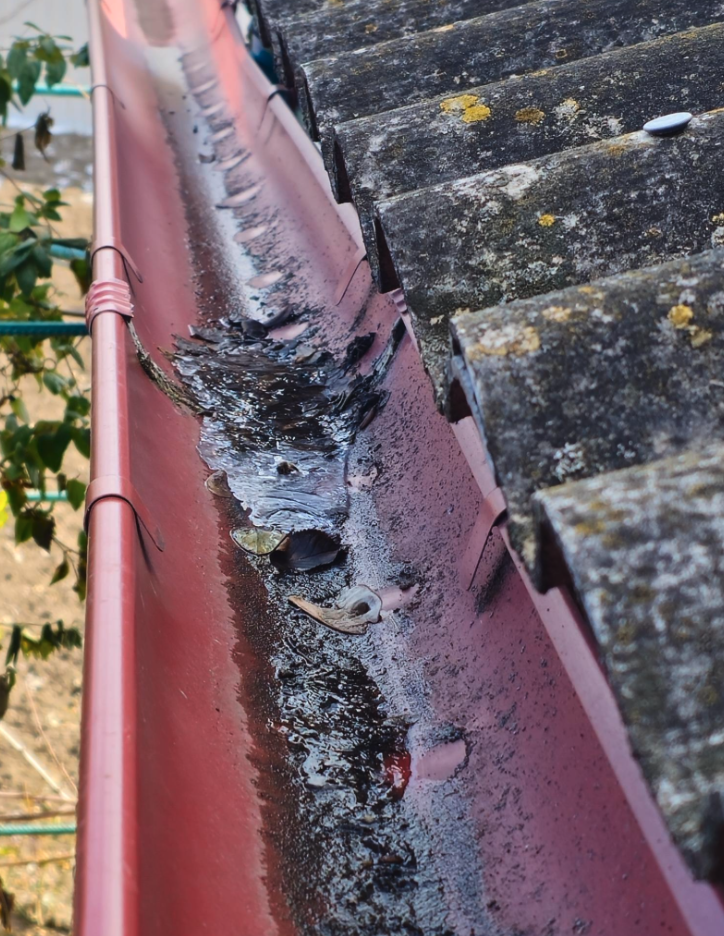
Singapore’s heavy rain can overwhelm drainage systems, especially if they’re clogged with debris.
When roof drains, gutters, or balcony outlets are blocked, water builds up instead of flowing away. That buildup increases pressure on the waterproofing layer and forces water into tiny cracks and joints. In other words, blocked drainage does not just sit there, it actively pushes water into the structure.
Once water finds a way in, it slowly seeps into the structure and eventually appears as a ceiling leak.
This is preventable but often overlooked until damage appears. Regular maintenance and inspection can reduce the risk.
5. External Wall Seepage
Sometimes the leak doesn’t come from above at all.
During heavy rain, water can penetrate through external walls, especially if there are cracks, damaged sealant, or poor facade waterproofing. The water then travels inside the wall and shows up on your ceiling or upper wall area.
This is common in:
- Older buildings
- Units with exposed external walls
- Properties facing strong wind-driven rain
Because the water travels internally, it can be very misleading when trying to locate the source. Proper assessment is needed to trace the water path accurately.
6. Poor Construction or Aging Materials
Even well-built properties can develop leaks over time.
In Singapore, constant exposure to heat and rain causes building materials to expand, contract, and degrade. Sealants dry out, waterproofing layers weaken, and joints loosen.
If your property is more than 10 to 15 years old and hasn’t undergone proper maintenance, leaks after heavy rain are very common.
What You Should Do Next
If your ceiling is leaking after rain, avoid quick fixes like repainting or sealing the visible area. That only hides the symptom, not the cause.
Instead, focus on this approach:
- Identify whether the source is roof, wall, or upstairs unit
- Check if the issue only happens during heavy rain or also during daily use
- Look for patterns like stains spreading or recurring in the same spot
- Get a proper inspection before doing any repair work
If the issue persists or keeps coming back, it’s worth consulting a specialist like Flux Solutions, who can identify the root cause and recommend the right fix whether it’s ceiling leakage repair, roof waterproofing, or bathroom leakage repair.