
In Singapore’s climate, waterproofing typically lasts 3 to 5 years for basic systems, 5 to 10 years for standard residential work, and 10 to 15 years for high-quality systems with proper maintenance. Roofs and bathrooms usually last 5 to 10 years, while external walls and balconies last 5 to 8 years. Heavy rain, UV exposure, poor drainage, and structural movement all shorten that lifespan, which is why workmanship and maintenance matter as much as the material itself.
Waterproofing is essential in Singapore due to constant rain, high humidity, and intense heat. But one of the most common questions homeowners ask is: how long does waterproofing actually last?
The short answer is that it depends on the type of waterproofing system, quality of workmanship, and level of exposure. In Singapore’s climate, waterproofing tends to wear out faster compared to countries with milder weather.
At Flux Solutions, many of the issues we handle come from ageing or failed waterproofing that was never properly maintained or installed in the first place.
Here’s what you can realistically expect.
Average Lifespan of Waterproofing in Singapore
In general, waterproofing systems last between:
| Waterproofing system | Typical lifespan in Singapore |
| Basic or low-quality waterproofing | 3 to 5 years |
| Standard residential waterproofing | 5 to 10 years |
| High-quality systems with proper maintenance | 10 to 15 years |
These are rough estimates, but in Singapore, heavy rainfall and UV exposure can shorten lifespan if materials or application methods are not suitable.
1. Roof Waterproofing Lifespan
Roof waterproofing typically lasts 5 to 10 years, depending on the material used.
Flat roofs are especially vulnerable because water tends to pond instead of draining quickly. Over time, this creates pressure on the waterproofing layer, leading to cracks and failure.
In Singapore, constant sun exposure also accelerates material degradation. UV rays cause membranes to dry out, shrink, and lose flexibility.
If you notice recurring leaks after rain, it often means the waterproofing layer has already deteriorated. In such cases, proper roof waterproofing or roof leakage repair is needed rather than repeated patching.
2. Bathroom Waterproofing Lifespan
Bathroom waterproofing usually lasts 5 to 10 years, but it can fail earlier if installation quality is poor.
Unlike roofs, bathroom waterproofing is hidden beneath tiles, so problems are harder to detect until leakage appears.
Daily exposure to water, cleaning chemicals, and movement in tiles can weaken the waterproofing layer over time.
Common signs of failure include ceiling leaks in the unit below, loose tiles, and persistent dampness.
If these signs appear, engaging a specialist in bathroom leakage repair, such as Flux Solutions, helps address the issue without unnecessary hacking when possible.
3. External Wall Waterproofing Lifespan
External wall waterproofing typically lasts 5 to 8 years, depending on exposure.
Walls facing heavy wind-driven rain tend to deteriorate faster, especially in high-rise buildings.
Over time, cracks form in the facade or sealant joints, allowing water to penetrate during heavy rain.
Because water can travel internally, leaks may appear inside the unit far from the actual entry point.
Proper maintenance and periodic inspection can help extend the lifespan of external waterproofing systems.
4. Balcony and Wet Area Waterproofing
Balconies and exposed wet areas usually last 5 to 8 years.
These areas are constantly exposed to both rain and daily use, which accelerates wear and tear.
Poor drainage is a major factor. When water accumulates instead of draining properly, it increases pressure on the waterproofing layer.
Over time, this leads to seepage into the slab below, often showing up as ceiling leaks in lower units.
Routine maintenance and keeping drainage systems clear can help prolong the lifespan.
What Affects Waterproofing Lifespan?
Several key factors determine how long your waterproofing will actually last, especially in Singapore’s harsh climate.
1. Quality of Materials Used
Not all waterproofing materials perform the same. Lower-grade coatings may look fine initially but tend to break down quickly under constant UV exposure and heavy rain. Higher-quality systems, such as reinforced membranes or multi-layer coatings, are designed to withstand expansion, contraction, and water pressure over time. Choosing the right material for the specific area, whether it’s a roof, bathroom, or external wall, makes a significant difference in lifespan.
2. Workmanship and Installation Method
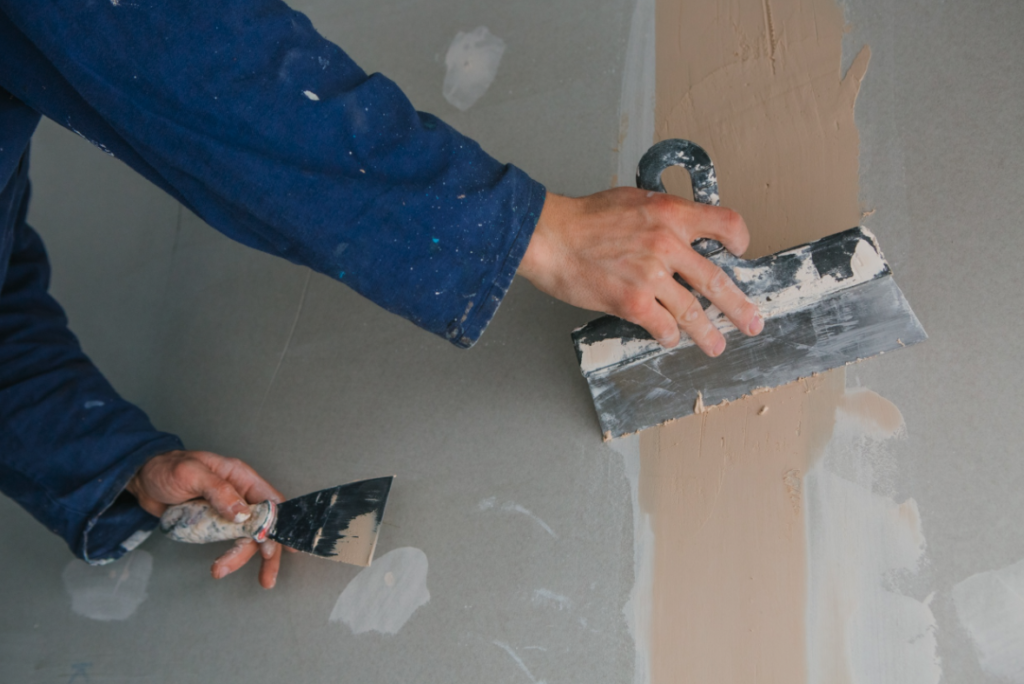
Even the best materials can fail if they are applied incorrectly. Proper surface preparation, including cleaning, drying, and repairing cracks beforehand, is critical for adhesion. Inconsistent application thickness or poor detailing around joints and corners often leads to early failure. This is why professional installation plays a major role in how long the waterproofing actually holds up.
3. Exposure to Sun and Rain
In Singapore, waterproofing systems are constantly exposed to intense sunlight and sudden heavy rain. UV rays can cause materials to dry out and lose flexibility, while repeated wetting and drying cycles weaken the protective layer over time. Areas like flat roofs and balconies are especially vulnerable due to direct exposure and water ponding.
4. Drainage Condition
Poor drainage significantly shortens waterproofing lifespan. When water cannot flow away properly, it accumulates and creates constant pressure on the waterproofing layer. Over time, this leads to cracks, bubbling, or detachment. Keeping drainage outlets clear and ensuring proper slope can greatly reduce stress on the system.
5. Structural Movement and Cracks
Buildings naturally shift over time due to temperature changes and settling. This movement can create hairline cracks in concrete, which eventually compromise the waterproofing layer. Once cracks form, water can seep in and spread internally, often going unnoticed until visible damage appears.
Even with high-quality materials, these factors can shorten the lifespan if not properly managed. That’s why a correct combination of material selection, proper installation, and maintenance is essential.
Signs Your Waterproofing Is Failing
Waterproofing rarely fails suddenly. In most cases, there are early warning signs that appear before major damage happens.
- Water Stains on Ceiling or Walls: Discolouration is often the first visible sign. These stains may start small but gradually spread, especially after rain. It indicates that water has already penetrated the structure.
- Peeling Paint or Bubbling Plaster: When moisture builds up behind the surface, it weakens the bond of paint and plaster. This causes bubbling, flaking, or peeling, even after repainting.
- Musty Smell or Mould Growth: A damp, musty odour usually signals trapped moisture. Over time, this can lead to mould, which not only damages surfaces but also affects indoor air quality.
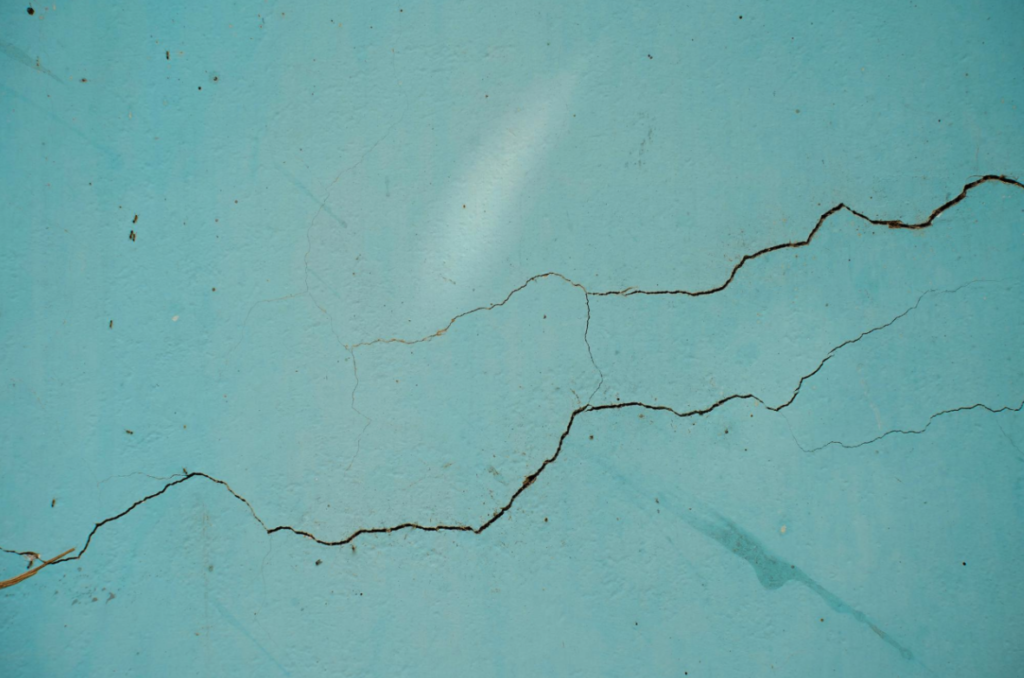
- Cracks in Ceiling or Walls: Hairline cracks may seem minor, but can allow water to enter during rain. If cracks appear together with other symptoms, it often points to deeper waterproofing failure.
- Recurring Leaks After Rain: If the same issue keeps coming back after temporary fixes, it’s a clear sign that the waterproofing layer is no longer functioning properly.
If you notice these signs, it usually means the issue has already progressed beyond surface level and needs proper diagnosis rather than patchwork repairs.
How to Make Waterproofing Last Longer
While waterproofing naturally wears out over time, the lifespan can be significantly extended with the right approach.
- Fix Drainage Issues Early: Ensure that roof drains, gutters, and outlets are always clear. Preventing water accumulation reduces pressure on the waterproofing layer and slows down deterioration.
- Repair Cracks Before They Worsen: Small cracks should be treated early before they become entry points for water. Once water seeps in, the damage spreads internally and becomes harder to fix.
- Avoid Repeated Temporary Patching: Applying sealant or repainting over problem areas may seem like a quick fix, but it often traps moisture and worsens the issue over time. Proper repair should always address the root cause.
- Schedule Periodic Inspections: Regular inspections help detect early signs of wear before major leaks occur. This is especially important for older properties or areas exposed to heavy rain.
- Use the Right Waterproofing System: Different areas require different solutions. Roofs, bathrooms, and external walls each need specific waterproofing methods suited to their exposure and usage.
For homeowners dealing with recurring issues, consulting specialists like Flux Solutions can help ensure the correct system is used from the start, reducing the risk of repeated repairs.
What You Should Do Next
If your waterproofing is more than 5 to 10 years old and you’re starting to see signs of failure, it’s worth getting it checked before the problem worsens.
A proper assessment helps determine whether you need minor repairs or a full waterproofing replacement.
For recurring leaks or unclear causes, consulting a specialist like Flux Solutions ensures the issue is diagnosed correctly before any system is replaced. Their 4-Point Leak Check traces the problem across roof, wet areas, walls, and drainage, so the right method is used, whether that is roof waterproofing, bathroom leakage repair, or crack injection, rather than reapplying waterproofing that fails again for the same reason.